Carbon Credit Markets
Exploring the economics, policies, and functioning of carbon credit markets both globally and regionally.
Subscribe
"*" indicates required fields


Learning how to buy carbon credits involves more than comparing prices. Discover how to evaluate project quality, additionality, permanence, independent verification, registry records and retirement documentation before making a responsible […] ...
Decarbonization Strategy for Business
/ July 2, 2026
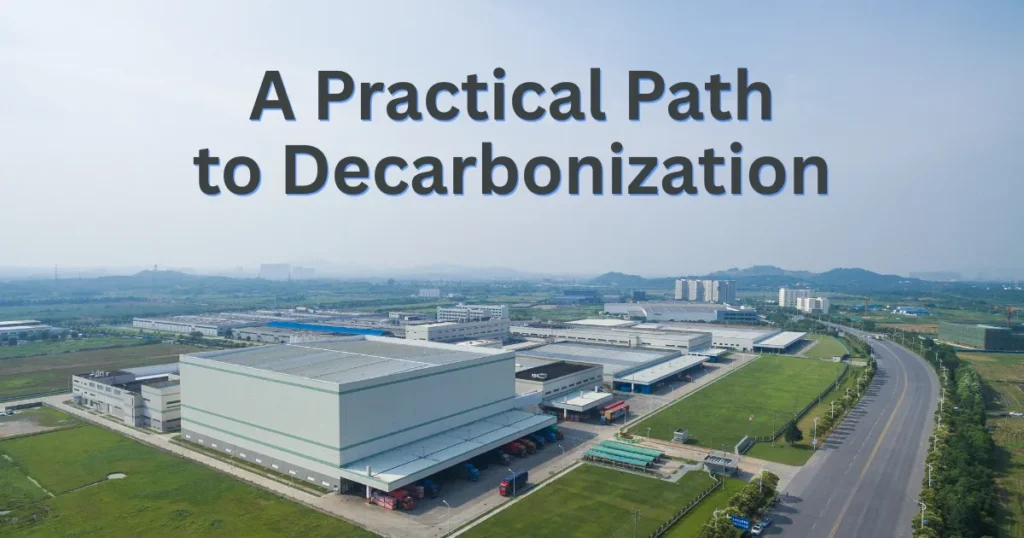
A practical decarbonization strategy starts with accurate emissions measurement, prioritizes reductions across operations and supply chains, and uses verified carbon removal to address residual emissions that cannot yet be eliminated. ...
Carbon Dioxide Removal: What Companies Need to Know About Durable Climate Action
by Anna Jacobs
/ May 28, 2026
Carbon dioxide removal is becoming essential for credible corporate climate action. This article explains how CDR works, why it matters for net zero goals, how biochar fits into durable carbon […] ...
Carbon Credits vs Distressed Debt: A CFO Capital Test
by Anna Jacobs
/ May 13, 2026
Carbon credits and distressed debt both require disciplined capital evaluation, but verified carbon credits offer CFOs a different kind of strategic asset: one tied to emissions liability, regulatory preparedness, climate […] ...
The 2027 Carbon Border Adjustment: A Treasury View
by Bill Ickes
/ May 8, 2026

The 2027 carbon border adjustment is becoming a treasury issue, not just a sustainability concern. Verified carbon credits can help companies prepare for rising regulatory carbon costs, strengthen climate disclosures, […] ...
Verified Carbon Credit Due Diligence: The CPA’s Test
by Anna Jacobs
/ May 4, 2026
Verified carbon credit due diligence helps corporate finance teams determine whether carbon credits can withstand audit, regulatory review, and audit committee scrutiny through methodology registration, third-party verification, permanence evidence, laboratory […] ...
Top Carbon Credit Organizations and What Sets Them Apart
by Bill Ickes
/ April 16, 2026

Explore the top carbon credit organizations and what sets them apart. Learn how leading providers differ in transparency, scalability, and permanence—and why high-integrity carbon removal solutions are becoming essential. ...
The Voluntary Carbon Market: Big Growth, Bigger Questions
by Bill Ickes
/ March 30, 2026

The voluntary carbon market is growing rapidly—but so are questions about credibility and impact. Discover what this means for businesses and why permanent, verifiable carbon removal solutions are becoming essential. ...
Carbon Credits: Turning Emissions into Opportunity
/ March 16, 2026

Carbon credits are transforming emissions into opportunity. Discover how businesses can offset Scope 3 emissions, meet sustainability goals, and invest in permanent carbon removal through scalable, science-backed solutions. ...
SBTi Net Zero v2.0: What Fortune 500 Companies Must Do Before 2035
by Bill Ickes
/ February 27, 2026
SBTi Net Zero v2.0 is raising the bar for corporate climate action. Discover what Fortune 500 companies must do before 2035 to meet Scope 3 targets, reduce emissions, and integrate […] ...