Bill Ickes
Bill Ickes, Chief Technology and Sustainability Officer at Dynamic Carbon Credits, brings 36 years of automotive industry experience and five years of expertise in sustainability and energy efficiency. A Michigan native with a BSME in Mechanical Engineering and an MBA from the University of Michigan, Bill has held leadership roles at Ford, Hyundai, and GAC Motors, driving advancements in fuel economy, emissions reduction, and propulsion systems innovation. A U.S. patent holder, Bill now focuses on helping Fortune 500 companies achieve sustainability goals, with a proven track record in energy efficiency and carbon footprint reduction, including achieving Scope 2 Carbon Net Neutrality.
Scope 1, 2 and 3 Emissions Explained
by Bill Ickes
/ July 21, 2026
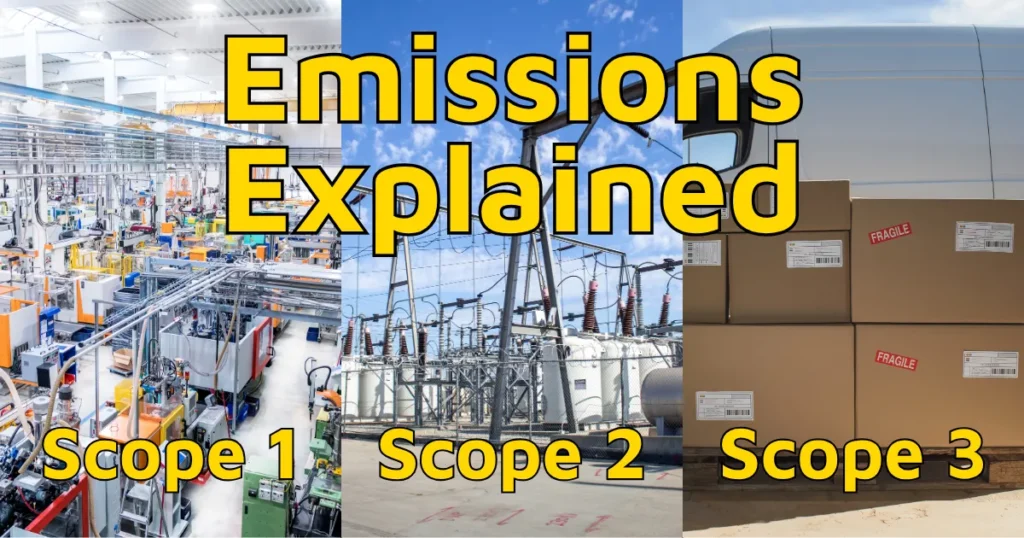
Scope 1, 2 and 3 emissions identify where a company’s greenhouse gas footprint originates. Learn how each category is measured, which business activities it includes and how companies can prioritize meaningful emissions reductions.
Carbon offset projects must follow defined methodologies, establish credible baselines, prove additionality and document measurable climate results. Learn how monitoring, independent verification, registry issuance and credit retirement help create credible carbon credits.
Emission Reduction Credits: What Businesses Need to Know
by Bill Ickes
/ June 9, 2026

Emission reduction credits represent verified actions that reduce, avoid, or remove greenhouse gas emissions compared with a baseline. For Fortune 500 companies and enterprise sustainability teams, they can help address […] ...
The 2027 Carbon Border Adjustment: A Treasury View
by Bill Ickes
/ May 8, 2026

The 2027 carbon border adjustment is becoming a treasury issue, not just a sustainability concern. Verified carbon credits can help companies prepare for rising regulatory carbon costs, strengthen climate disclosures, and build a defensible hedge before stricter reporting and import-cost rules take effect.
Top Carbon Credit Organizations and What Sets Them Apart
by Bill Ickes
/ April 16, 2026
Explore the top carbon credit organizations and what sets them apart. Learn how leading providers differ in transparency, scalability, and permanence—and why high-integrity carbon removal solutions are becoming essential.
How Biochar Direct Air Capture Outpaces Industrial CCS
by Bill Ickes
/ April 10, 2026
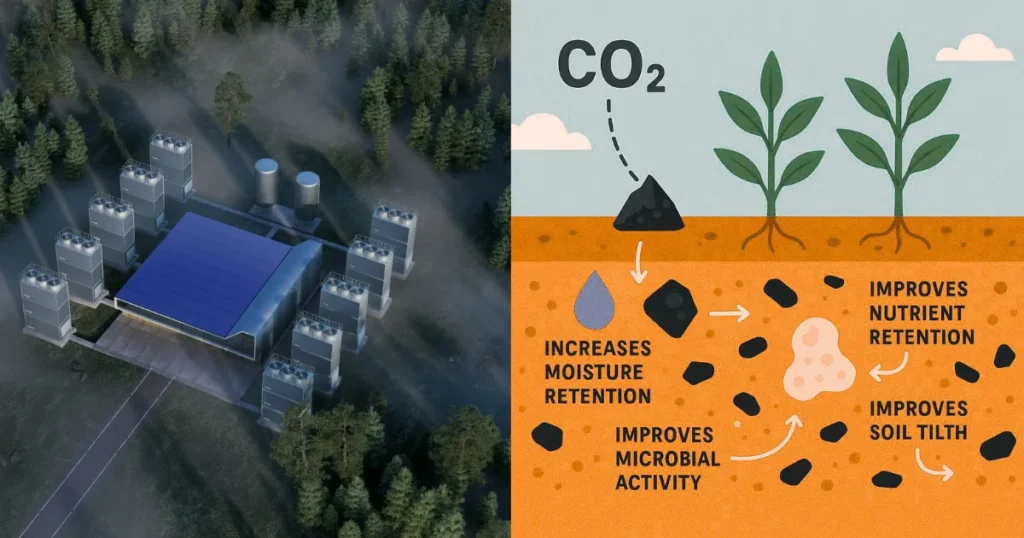
Biochar-based direct air capture is redefining carbon removal. Discover how this scalable, nature-based solution outpaces industrial CCS by delivering permanent carbon sequestration with greater efficiency and long-term impact.
The Voluntary Carbon Market: Big Growth, Bigger Questions
by Bill Ickes
/ March 30, 2026

The voluntary carbon market is growing rapidly—but so are questions about credibility and impact. Discover what this means for businesses and why permanent, verifiable carbon removal solutions are becoming essential.
SBTi Net Zero v2.0: What Fortune 500 Companies Must Do Before 2035
by Bill Ickes
/ February 27, 2026
SBTi Net Zero v2.0 is raising the bar for corporate climate action. Discover what Fortune 500 companies must do before 2035 to meet Scope 3 targets, reduce emissions, and integrate permanent carbon removal into their strategy.
The Necromass Engine: Engineering 900-Year MAOC Stability
by Bill Ickes
/ January 12, 2026
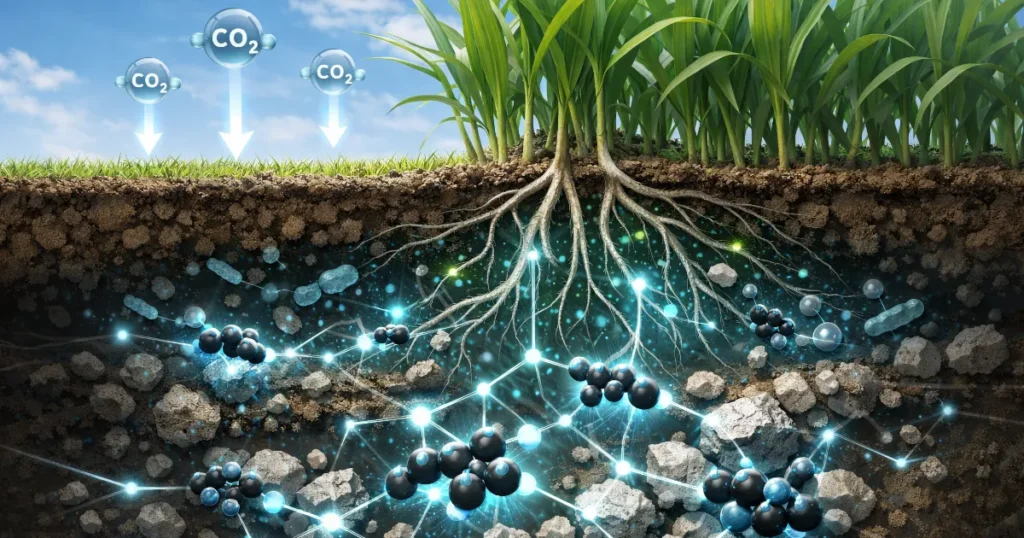
Discover how the Necromass Engine accelerates Mineral-Associated Organic Carbon (MAOC) formation to deliver permanent carbon sequestration. Learn how Dynamic Carbon Credits transforms atmospheric carbon into stable soil storage that lasts for centuries.
2026 Carbon Credit Procurement: What Fortune 500 CSOs Need to Know Now
by Bill Ickes
/ December 22, 2025
If you’re a Chief Sustainability Officer at a Fortune 500 company, January 2026 marks a turning point. The regulatory frameworks that were “coming soon” for years have arrived. California’s SB 253 now requires any company doing business in California with over $1 billion in annual revenue to publicly report Scope 1 and Scope 2 greenhouse gas emissions.