
Industry Insights
Articles about trends, changes, and news in the carbon credit market and related industries. This category can also include impact stories from various sectors.
Subscribe
"*" indicates required fields

Regenerative Farming: Earn Up to $1,000/Acre
/ January 30, 2026

American agriculture is under pressure. The USDA projects net farm income will decline by $4.1 billion in 2026, falling to $153.6 billion — a 2.6% drop from 2025. Global commodity prices are projected to hit their lowest level in six years, marking the fourth consecutive year of decline.
Taiwan Carbon Removal Credits | Enterprise Solution
/ January 19, 2026
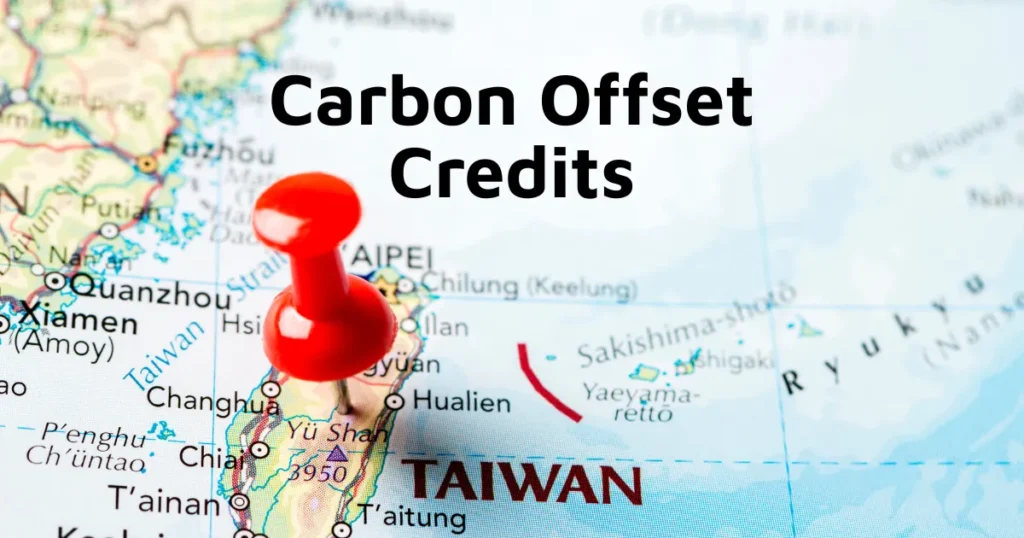
The landscape for taiwan carbon removal credits shifted from a voluntary corporate social responsibility (CSR) goal to a core financial pillar on January 1, 2025.
Biochar Agricultural Direct Air Capture: The CEO Perspective
/ November 13, 2025

Corporations have made public, legally binding commitments to reach Net Zero by 2030 or 2050. Yet, the tools currently available to them are often out of sync with the urgency of their balance sheets.
Biochar and Agricultural Direct Air Capture: Beyond Industrial CCS
by Anna Jacobs
/ November 7, 2025
By leveraging a proprietary crop designed specifically for sequestration—standing 15 feet tall with a massive 33-foot root system—we offer a scalable, nature-based solution with a 144-day lifecycle. This article explores how this “biological machine” outperforms standard offsets and provides the verifiable additionality enterprise leaders demand.
2025 Global Status of CCS Report
by Anna Jacobs
/ November 1, 2025

This article explores the other, greener side of the carbon coin: agricultural carbon removal. We dive into how nature-based solutions, like the work we do at Dynamic Carbon Credits, not only pull legacy carbon from the air but also restore our planet’s soil, empower farming communities, and offer corporations a more profound, restorative path to true carbon neutrality.
Carbon Market Predictions 2035
by Bill Ickes
/ October 25, 2025
The global carbon market is entering a defining decade. As mechanical Carbon Capture, Utilization, and Storage (CCUS) projects struggle with high costs, technical risk, and dependence on government subsidies, a new standard is emerging—Direct Air Capture via Plants (DAC-P). In this forward-looking analysis, Dynamic Carbon Credits reveals why nature-based, biochar-driven solutions will dominate by 2035. Learn how scalable, third-party-verified carbon removal is reshaping corporate sustainability strategies—delivering permanence, soil health, and measurable impact today.
The Land Dilemma: Why High-Integrity Carbon Removal on Farmland Outshines Subsidized Solar
/ September 18, 2025
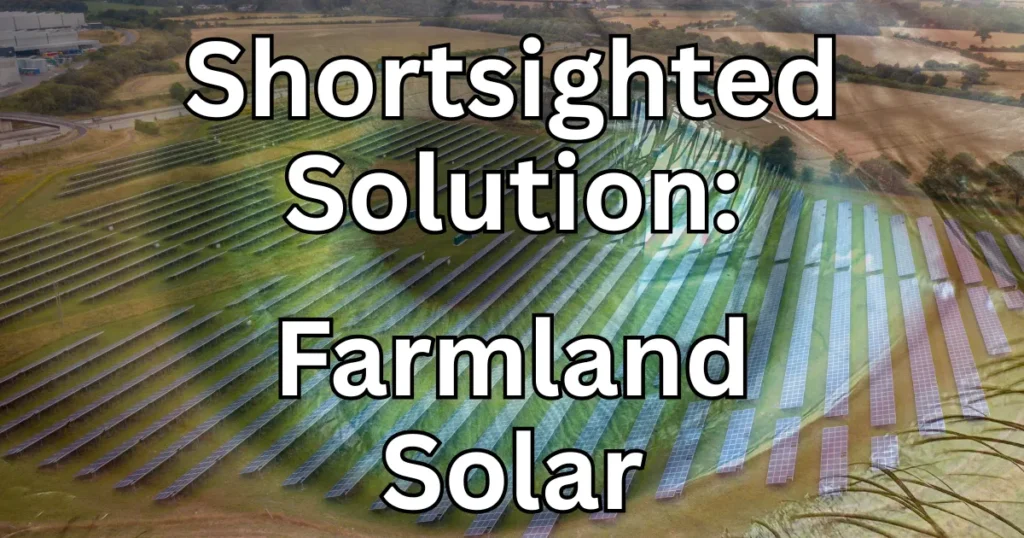
Corporate net-zero goals require strategic land use. While solar energy is vital, converting millions of acres of fertile farmland into industrial solar fields is a shortsighted solution with high environmental costs. This approach degrades soil, eliminates food production, and offers a poor long-term return on our most valuable land assets. A superior path is Direct Air Capture via Plants (DAC-P) and biochar production, which sequesters carbon, regenerates soil health, and supports farming communities. This creates high-integrity, additional, and permanent carbon credits—a more holistic and truly sustainable investment for the future.
Nature’s Operating System: Photosynthesis
by Anna Jacobs
/ August 14, 2025

The global race for carbon removal has focused on building new machines, but the most powerful carbon capture technology is photosynthesis. For corporations, the smartest investment isn’t just in mechanical DAC, but in upgrading this natural system through regenerative agriculture and biochar. This approach, which we call Direct Air Capture via Plants (DAC-P), delivers permanent, verifiable, and additional carbon removal with powerful co-benefits that strengthen ESG performance and rural economies.
The Unchangeable Ledger: How Blockchain is Eradicating Greenwashing in Carbon Markets
/ June 30, 2025

The carbon credit market has a trust problem. Vague accounting and opaque systems have led to rampant greenwashing accusations, putting corporate reputations on the line. Blockchain technology solves this by creating an unchangeable, transparent digital ledger for every single carbon credit, from its creation to its retirement. Dynamic Carbon Credits leverages this cutting-edge technology to provide Fortune 500 companies with fully auditable, high-integrity carbon removals, transforming climate commitments from a liability into a verifiable asset.
Beyond Emission Reduction Credits: The New Standard for Climate Leadership
/ June 16, 2025
Traditional Emission Reduction Credits (ERCs) are a vital tool for regulatory compliance, but they represent yesterday’s strategy. To achieve true carbon neutrality and demonstrate market leadership, Fortune 500 companies are now shifting focus to high-integrity carbon removal credits. These advanced solutions, like biochar and direct air capture, offer permanent, verifiable, and additional climate impact that goes far beyond simply meeting regulations, actively combating greenwashing and building brand value.