
News & Articles
Exploring the economics, policies, and functioning of carbon credit markets both globally and regionally.
Subscribe
"*" indicates required fields

Taiwan Carbon Removal Credits | Enterprise Solution
/ January 19, 2026
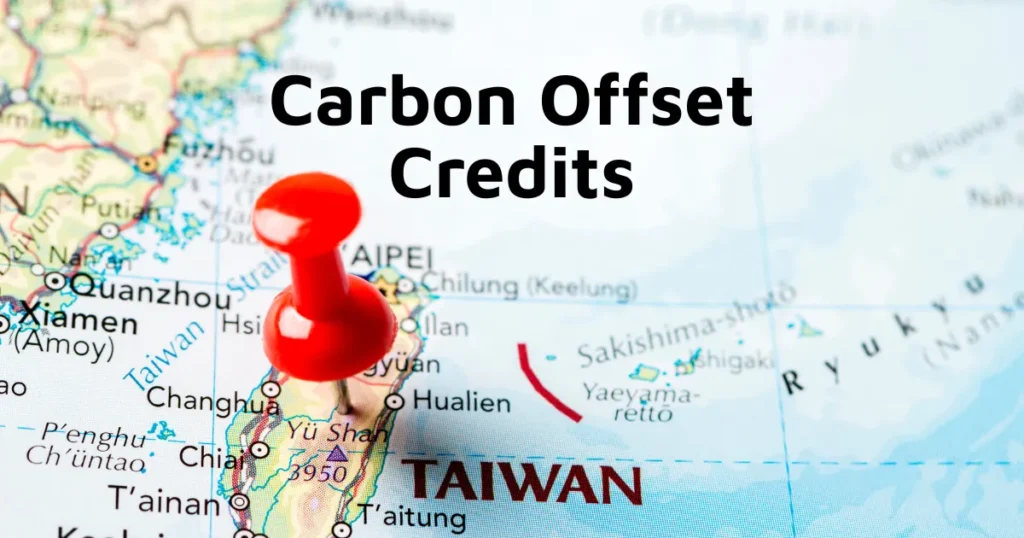
The landscape for taiwan carbon removal credits shifted from a voluntary corporate social responsibility (CSR) goal to a core financial pillar on January 1, 2025. …
Carbon Credit Reversal Risk: The 60-Foot MAOC Standard
by Anna Jacobs
/ January 6, 2026
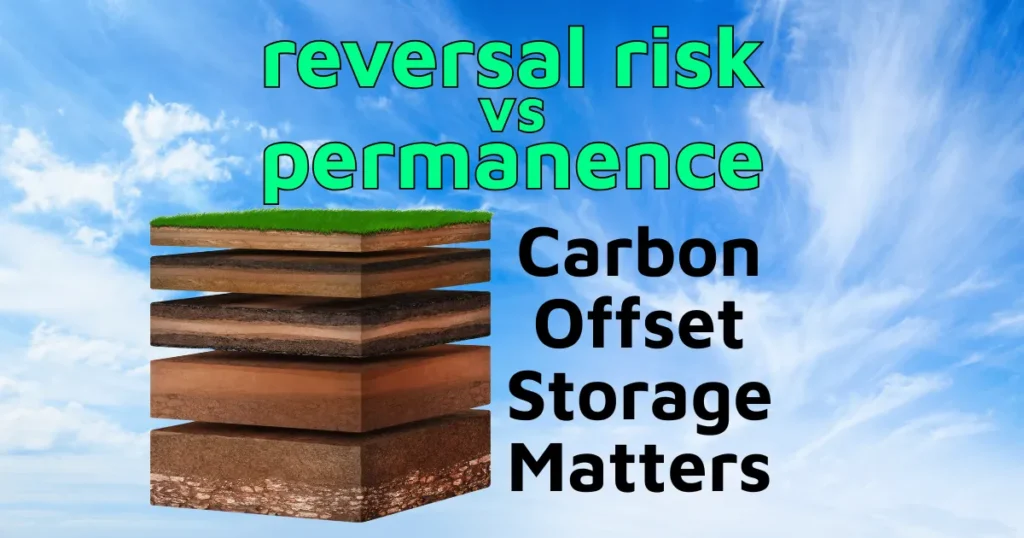
The most dangerous scenario is a reversal: the release of sequestered carbon back into the atmosphere due to environmental or management failure. …
2026 Carbon Credit Procurement: What Fortune 500 CSOs Need to Know Now
by Bill Ickes
/ December 22, 2025

If you’re a Chief Sustainability Officer at a Fortune 500 company, January 2026 marks a turning point. The regulatory frameworks that were “coming soon” for years have arrived. California’s SB […] …
Carbon Offset Gift Ideas for the Holidays
/ December 18, 2025

This holiday season, give a gift that truly matters. A carbon offset gift goes beyond wrapping paper and ribbons—it’s a present that fights climate change, regenerates degraded soil, and creates […] …
How to Buy Carbon Credits: Removal vs. Avoidance
/ December 8, 2025
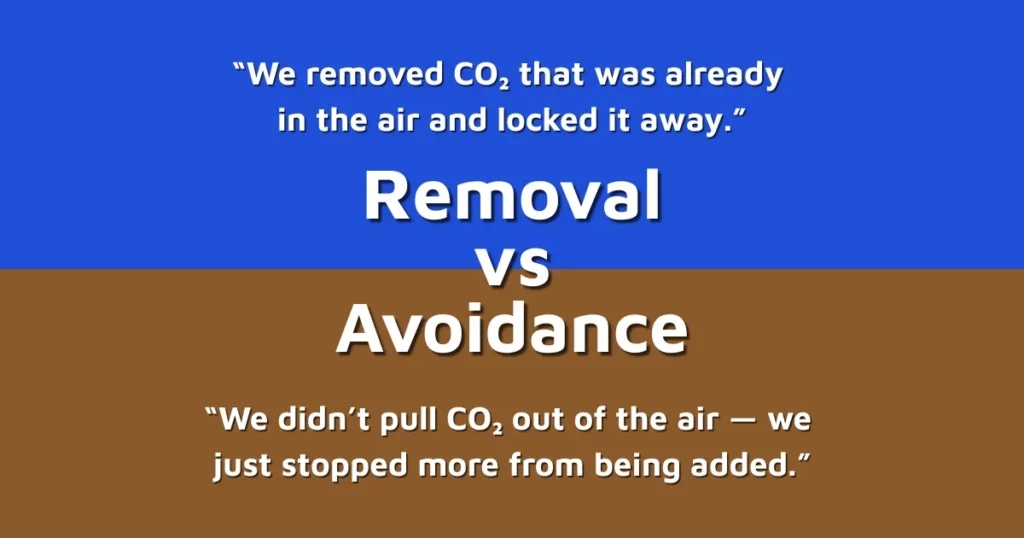
Not all carbon credits are created equal. As corporate buyers navigate an increasingly complex market, understanding the fundamental difference between removal credits and avoidance credits has become essential. It is …
Additionality and Scope 1 Emissions: The Carbon Credit Integrity Test
by Bill Ickes
/ December 3, 2025
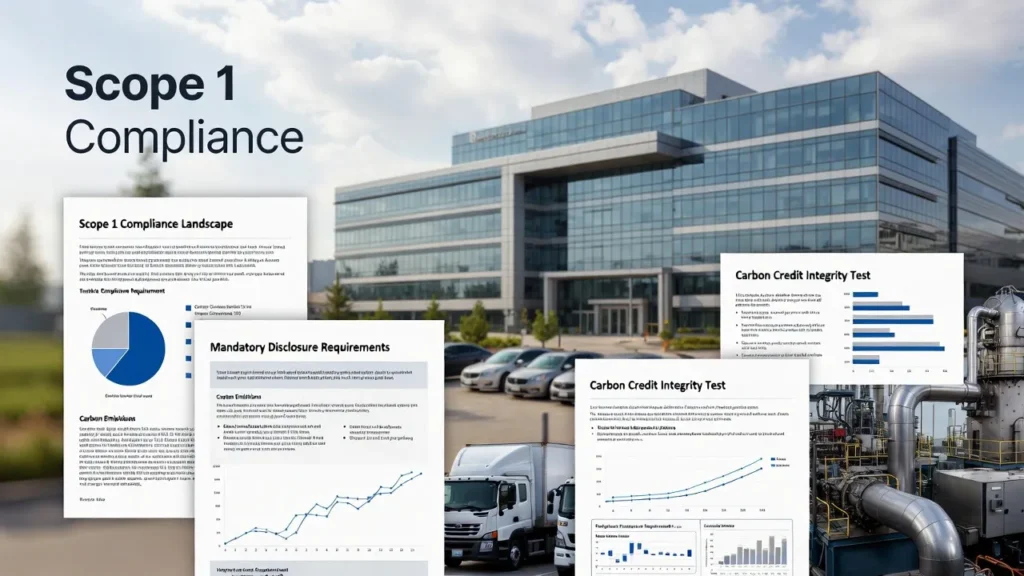
As Scope 1 emissions reporting requirements tighten under CSRD, California’s SB 253, and emerging state regulations, corporate sustainability teams face mounting pressure to demonstrate genuine climate impact—not just compliance. The […] …
Regenerative Agriculture: Why Biochar Is the Enterprise Solution
/ November 28, 2025
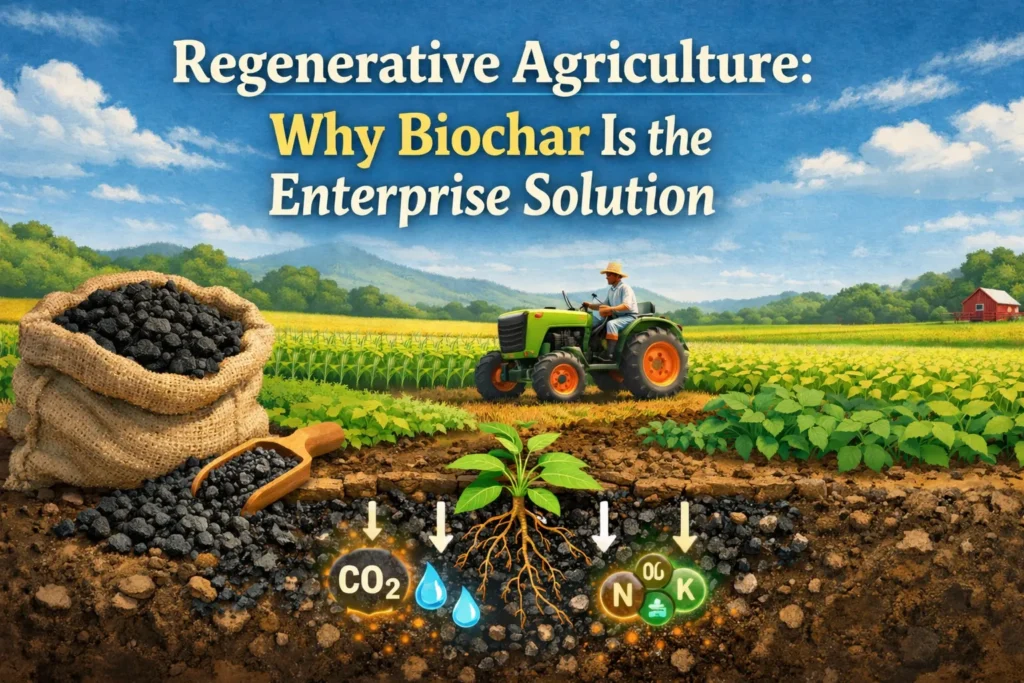
Regenerative agriculture is transforming corporate sustainability—but traditional practices alone can’t deliver the speed, permanence, and scale Fortune 500 companies need. Here’s why crop-based biochar is the missing link. …
Biochar: The Enterprise Solution for Permanent Carbon Removal
by Anna Jacobs
/ November 17, 2025
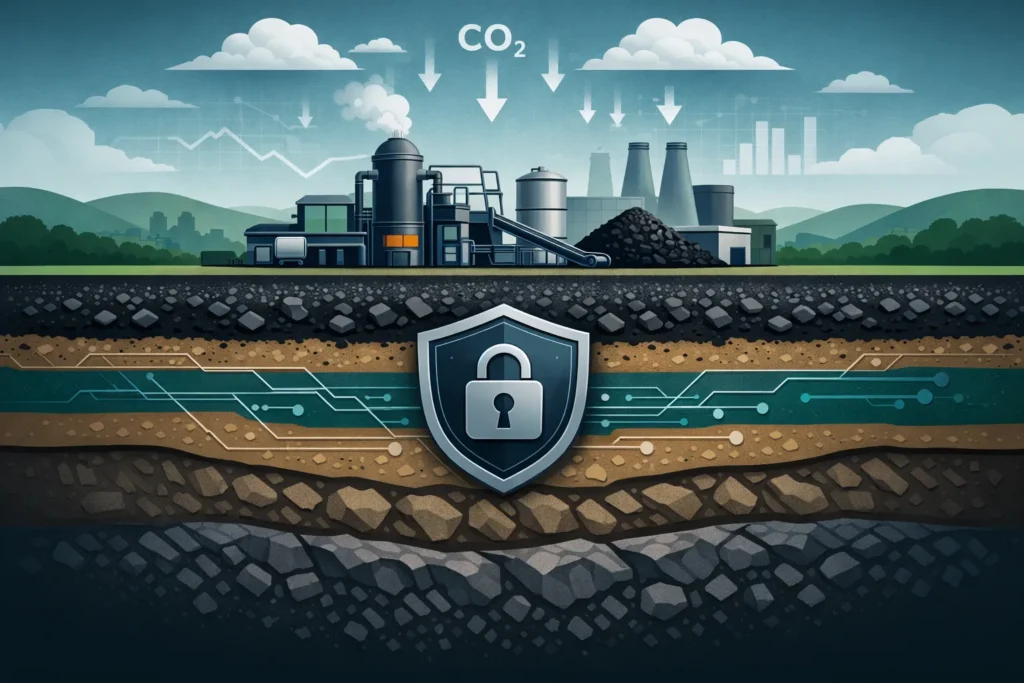
Biochar is a carbon-rich material created through pyrolysis that locks carbon in soil for centuries, while simultaneously improving soil health, reducing methane and nitrous oxide emissions, and enabling scalable industrial […] …
Biochar Agricultural Direct Air Capture: The CEO Perspective
/ November 13, 2025

Corporations have made public, legally binding commitments to reach Net Zero by 2030 or 2050. Yet, the tools currently available to them are often out of sync with the urgency […] …
Biochar and Agricultural Direct Air Capture: Beyond Industrial CCS
by Anna Jacobs
/ November 7, 2025
By leveraging a proprietary crop designed specifically for sequestration—standing 15 feet tall with a massive 33-foot root system—we offer a scalable, nature-based solution with a 144-day lifecycle. This article explores […] …