
Anna Jacobs
Anna Jacobs has over three decades of experience in the scientific and agricultural sectors. Certified by the American Society for Clinical Pathology, she has excelled in scientific research, development, and data analysis, pioneering advancements in sustainable agricultural practices in the United States.
Anna’s expertise in technical writing and project management has been crucial in crafting and executing effective strategies for agricultural professionals. She has led numerous projects covering the entire agricultural lifecycle, from cultivation and quality testing to product development, in this highly regulated industry. Her extensive knowledge of agronomy and hands-on experience make her a leader in developing sustainable agricultural products for health and industrial use.
Anna is known for her strategic vision and client engagement. Her expertise in the carbon credit market positions her as a respected authority and thought leader. She is often sought nationally and globally for her insights on agricultural practices and their impact on carbon sequestration.
Nature-Based Carbon Sequestration: 2026 Playbook
by Anna Jacobs
/ January 23, 2026

The voluntary carbon market is projected to reach $3.5 billion in 2026, with analysts forecasting growth to $17.4 billion by 2035.
Carbon Credit Reversal Risk: The 60-Foot MAOC Standard
by Anna Jacobs
/ January 6, 2026
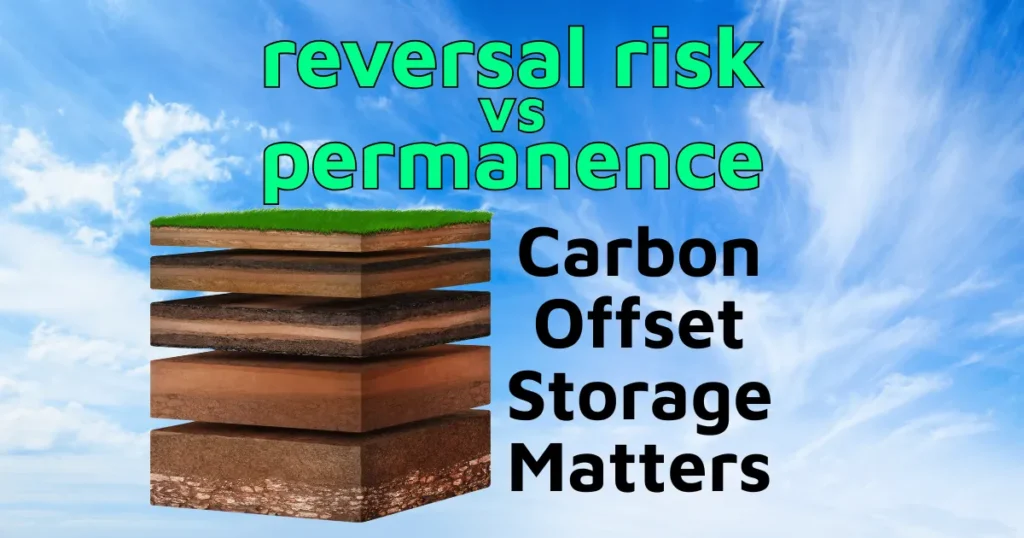
The most dangerous scenario is a reversal: the release of sequestered carbon back into the atmosphere due to environmental or management failure.
Biochar: The Enterprise Solution for Permanent Carbon Removal
by Anna Jacobs
/ November 17, 2025
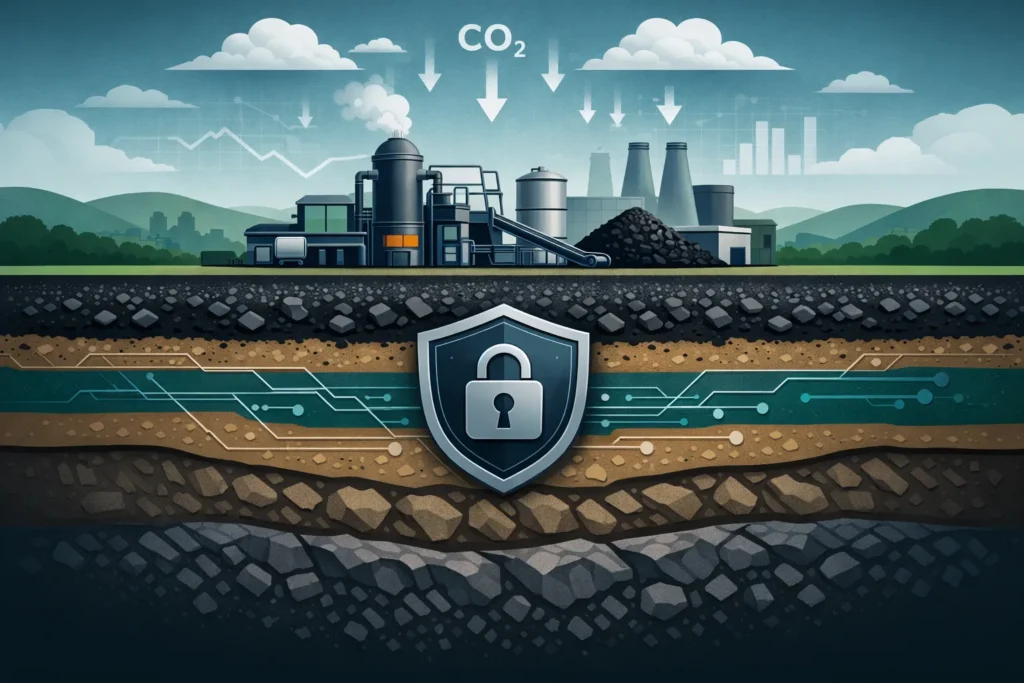
Biochar is a carbon-rich material created through pyrolysis that locks carbon in soil for centuries, while simultaneously improving soil health, reducing methane and nitrous oxide emissions, and enabling scalable industrial applications. For Fortune 500 companies seeking verifiable, permanent carbon removal credits…
Biochar and Agricultural Direct Air Capture: Beyond Industrial CCS
by Anna Jacobs
/ November 7, 2025
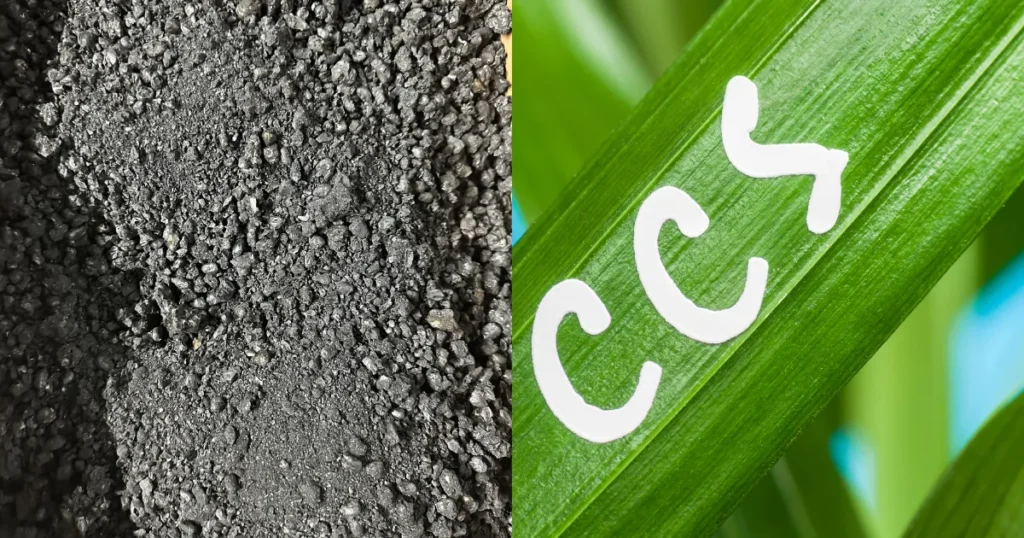
By leveraging a proprietary crop designed specifically for sequestration—standing 15 feet tall with a massive 33-foot root system—we offer a scalable, nature-based solution with a 144-day lifecycle. This article explores how this “biological machine” outperforms standard offsets and provides the verifiable additionality enterprise leaders demand.
2025 Global Status of CCS Report
by Anna Jacobs
/ November 1, 2025

This article explores the other, greener side of the carbon coin: agricultural carbon removal. We dive into how nature-based solutions, like the work we do at Dynamic Carbon Credits, not only pull legacy carbon from the air but also restore our planet’s soil, empower farming communities, and offer corporations a more profound, restorative path to true carbon neutrality.
Nature’s Operating System: Photosynthesis
by Anna Jacobs
/ August 14, 2025

The global race for carbon removal has focused on building new machines, but the most powerful carbon capture technology is photosynthesis. For corporations, the smartest investment isn’t just in mechanical DAC, but in upgrading this natural system through regenerative agriculture and biochar. This approach, which we call Direct Air Capture via Plants (DAC-P), delivers permanent, verifiable, and additional carbon removal with powerful co-benefits that strengthen ESG performance and rural economies.
Beyond CO2: The Corporate Playbook for Methane Emissions Reductions
by Anna Jacobs
/ June 10, 2025
CH4 (Methane) is over 80 times more potent than CO2 in the short term and is a major driver of global warming. Corporations face growing pressure to address their methane footprint, which is often hidden in agricultural supply chains (Scope 3).
Additionality and Scope 1 Emissions: A Clear Path to Climate Integrity
by Anna Jacobs
/ June 5, 2025
Scope 1 emissions are direct greenhouse gas emissions from company operations, and additionality ensures that carbon credits represent real, incremental climate action. Dynamic Carbon Credits’ innovative Direct Air Capture by Plants (DAC-P) solution offers Fortune 500 companies a high-integrity way to offset emissions while supporting regenerative agriculture and local communities. By prioritizing additionality and transparency, companies can tackle their carbon footprint and contribute to a sustainable future.
Carbon Capture That Uplifts Farmers and Builds Healthy Soil
by Anna Jacobs
/ May 21, 2025
Dynamic Carbon Credits is revolutionizing carbon capture by partnering with farmers to implement regenerative agriculture and biochar production. Our process captures greenhouse gases, improves soil health, creates local jobs, and uplifts underserved communities. The average family emits over 18 tons of CO2 annually—but you can offset your emissions while supporting a better future.
Direct Air Capture vs Carbon Capture: The Realities for Corporate Climate Leaders
by Anna Jacobs
/ April 30, 2025

In the global race to net zero, carbon capture has become the climate tech darling of Fortune 500 boardrooms. But as headlines tout the promise of Direct Air Capture (DAC) and traditional Carbon Capture and Storage (CCS), a deeper question emerges: Which approach delivers real, scalable impact for business?
This is not just a technical debate. It’s a reckoning for corporate buyers, sustainability officers, and anyone tasked with translating climate ambition into bottom-line results. The answer, it turns out, is more nuanced—and more urgent—than the hype suggests.