
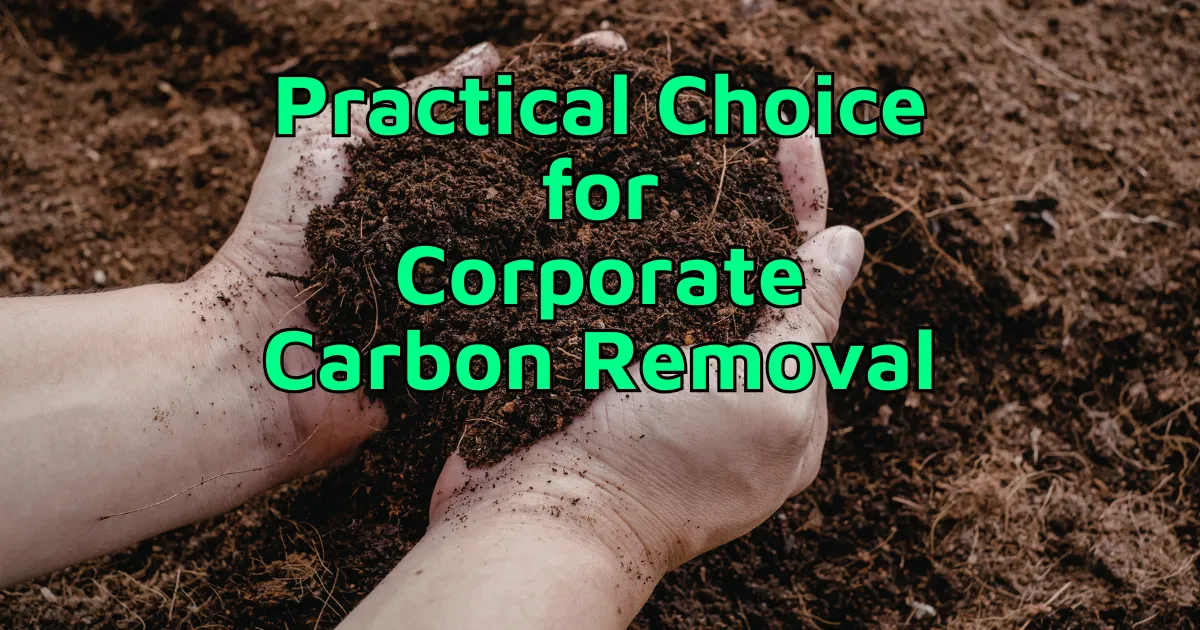
As Chief Science Officer at Dynamic Carbon Credits, I look at carbon credits through the lens of science, durability, and real-world implementation. Biochar carbon credits are becoming more important because they connect measurable carbon storage with practical applications in agriculture, waste management, and corporate climate strategy. For companies evaluating carbon removal, the goal is not just to buy credits, but to understand how the carbon is captured, stabilized, verified, and stored over time.

Biochar carbon credits are gaining attention because corporate sustainability teams are looking for carbon removal options that are measurable, durable, and practical enough to deploy today. As companies move beyond broad offset claims, they need climate solutions that can be explained clearly to executives, auditors, investors, customers, and regulators.
As Chief Science Officer at Dynamic Carbon Credits, I believe the strongest carbon strategies start with science that is both rigorous and usable. Corporate buyers do not just need a climate story. They need a carbon removal pathway that can be measured, verified, and connected to real-world systems. Biochar is increasingly important because it converts plant-based biomass into a stable carbon-rich material that can store carbon while also supporting soil, agricultural, industrial, and environmental applications.
For organizations evaluating durable carbon removal, biochar offers a practical bridge between climate ambition and implementation. It is not a distant technology waiting for future infrastructure. It is a plant-based carbon sequestration solution that can be produced from organic residues, integrated into existing supply chains, and used in ways that create measurable environmental value.
“Corporate buyers want carbon removal they can understand and defend. Biochar stands out because it connects measurable carbon storage with practical business, agricultural, and environmental applications.”
— Beau Parmenter, Owner/CEO, Dynamic Carbon Credits
What Are Biochar Carbon Credits?
Biochar carbon credits are verified credits generated when plant-based biomass is converted into stable biochar and the resulting carbon storage is measured, documented, and verified according to an accepted carbon credit methodology.
Biochar is created through pyrolysis, a process that heats organic material in a low-oxygen environment. Instead of allowing biomass to decompose, burn, or release greenhouse gases back into the atmosphere, pyrolysis transforms part of that carbon into a stable material. That material can then be applied to soil, used in environmental remediation, blended into construction materials, or incorporated into other long-lived applications.
One carbon credit typically represents one metric ton of carbon dioxide equivalent that has been removed, reduced, or stored, depending on the project type and methodology. In the case of biochar carbon removal, the value comes from stabilizing plant-based carbon and storing it in a durable form.
To learn more about the material itself, Dynamic Carbon Credits offers additional information about biochar as a scalable solution for agricultural, industrial, and environmental use.
Why Corporate Buyers Are Paying Attention to Biochar
Corporate climate strategies are changing. Many companies have already taken steps to reduce emissions through energy efficiency, renewable energy, electrification, and supply chain improvements. But hard-to-abate emissions remain a challenge for sectors such as manufacturing, logistics, agriculture, construction, aviation, food production, and heavy industry.
That is where carbon removal credits enter the conversation. Companies are increasingly looking for credits that do more than claim avoided emissions. They want credits tied to physical carbon removal and durable storage.
Biochar carbon credits are becoming practical for corporate buyers because they combine several important qualities: measurable carbon storage, available technology, local deployment potential, and useful co-benefits. For a sustainability leader, that combination can make biochar easier to explain than more abstract or infrastructure-heavy carbon removal options.
Biochar Is Physical and Measurable
One reason biochar appeals to corporate buyers is that it is a physical product. The feedstock can be documented. The pyrolysis process can be measured. The carbon content of the finished biochar can be tested. The end use can be tracked. This creates a clearer audit trail than many carbon credit categories.
For buyers concerned about greenwashing risk, this matters. A strong biochar project can provide project documentation, production records, lab analysis, chain-of-custody information, and third-party verification. That level of transparency helps sustainability teams support internal reporting and external climate claims.
Biochar Supports Durable Carbon Removal
Durability is one of the most important issues in carbon markets. A carbon credit based on short-term storage is different from a credit based on carbon that is expected to remain stored for decades or centuries.
The International Biochar Initiative describes biochar carbon removal as a recognized carbon dioxide removal pathway with the potential for long-term carbon storage. Puro.earth also identifies biochar as a leading durable carbon dioxide removal methodology, reflecting its growing role in verified carbon removal markets.
For corporate buyers, durability is valuable because it helps align carbon credit purchases with long-term climate goals. If a company is making a net zero or carbon removal claim, the credibility of that claim depends in part on how long the carbon is expected to remain stored.
Biochar Can Be Implemented Close to the Source
Another advantage of biochar is local deployment potential. Many communities, farms, food processors, municipalities, and industrial operations generate plant-based residues. These materials may include crop residues, nutshells, wood residues, organic processing byproducts, and other biomass streams.
When those residues are converted into biochar close to their source, companies may reduce transportation needs, support circular economy models, and create local carbon removal opportunities. This is especially important for organizations seeking climate solutions that connect directly to their operations, supply chains, or regional sustainability goals.
How Biochar Carbon Credits Work
Biochar carbon credits require more than simply producing biochar. A credible credit depends on a structured process that accounts for feedstock, production, carbon stability, emissions, end use, verification, and retirement.
Step 1: Sustainable Biomass Is Identified
The process begins with plant-based biomass. Responsible biochar projects should use sustainable residues or waste materials rather than feedstocks that create harmful land-use impacts. Feedstock integrity is essential because the climate value of a biochar credit depends on what would have happened to that biomass without the project.
For example, if biomass would otherwise decompose, burn, or emit methane under unmanaged conditions, converting it into biochar may create a stronger carbon removal and greenhouse gas reduction opportunity.
Step 2: Biomass Is Converted Through Pyrolysis
During pyrolysis, biomass is heated in a low-oxygen environment. This process prevents full combustion and transforms part of the biomass carbon into a stable, carbon-rich solid. Depending on the system, pyrolysis may also produce useful co-products such as heat, bio-oil, or syngas.
Dynamic Carbon Credits has published a deeper explanation of how biochar helps fight methane emissions and greenhouse gases, including how converting organic waste into biochar can reduce emissions that may occur from decomposition or waste management.
Step 3: Carbon Content and Stability Are Measured
After production, the biochar must be tested and documented. Important factors may include fixed carbon content, moisture, ash, pH, feedstock type, production temperature, and carbon stability. These details help determine how much carbon is stored and how durable that storage is expected to be.
The USDA NRCS Soil Carbon Amendment standard includes technical guidance related to soil carbon amendments, including biochar. For companies evaluating biochar projects, this kind of technical grounding helps show that biochar is not only a carbon market concept but also a recognized soil carbon amendment pathway.
Step 4: End Use Is Tracked
Biochar must be placed into an appropriate storage pathway. Common end uses include agricultural soils, environmental remediation, stormwater filtration, composting systems, construction materials, and other long-lived applications.
The storage pathway matters because carbon credit buyers need to understand where the carbon goes after production. A credible project should document the end use and explain why that use supports long-term carbon storage.
Step 5: Credits Are Verified, Issued, and Retired
For biochar carbon credits to support a corporate claim, the project should follow an accepted methodology and undergo third-party verification. Once verified, credits may be issued through a carbon registry or standard. When a buyer retires a credit, that credit is removed from circulation so no other company can claim the same climate benefit.
This process is important for corporate buyers because retirement connects the credit to a specific climate action. Without retirement, the credit remains a tradable asset rather than a completed claim.
Why Biochar Fits Corporate Carbon Removal Portfolios
Companies rarely need only one climate solution. A strong climate strategy usually includes direct emissions reductions, operational improvements, renewable energy, supply chain engagement, and carefully selected carbon removal credits for emissions that are difficult to eliminate.
Biochar can play a practical role inside that broader portfolio.
It Is Available Now
Some carbon removal technologies require large-scale infrastructure, major energy inputs, or long development timelines. Biochar is different. It can be produced with existing pyrolysis systems and applied across a range of real-world use cases.
This availability matters for companies that need credible near-term action while longer-term technologies continue to mature.
It Can Support Multiple Sustainability Goals
Biochar can support more than carbon removal. Depending on its quality, application, and project design, biochar may improve soil structure, water retention, nutrient efficiency, and filtration performance. It can also support organic waste management and low-carbon material innovation.
For corporate buyers, these co-benefits can help connect carbon credit procurement to broader environmental, social, and operational goals. A company may be able to support carbon removal while also contributing to agricultural resilience, circular economy development, or local environmental improvement.
It Is Easier to Explain to Stakeholders
Carbon markets can be complicated. Corporate sustainability teams often need to explain carbon credits to finance teams, legal teams, executives, customers, and investors. Biochar is easier to communicate because it is tangible.
The basic concept is straightforward: plant-based biomass absorbs carbon as it grows; pyrolysis converts part of that biomass into stable biochar; the stable carbon is stored in soil or other long-lived uses; the result is measured and verified.
That clarity can make biochar carbon credits more practical for organizations that need climate solutions with a clear story and defensible documentation.
“Sustainability teams need solutions that can stand up to scrutiny. Biochar gives companies a practical way to connect carbon removal, responsible biomass use, and long-term environmental value.”
— Bill Ickes, VP of Sustainability, Dynamic Carbon Credits
Biochar Carbon Credits vs. Traditional Offsets
Traditional carbon offsets often focus on avoided emissions. Avoided emissions projects can be valuable when they are well designed and verified, but they are different from carbon removal. Avoided emissions prevent new greenhouse gases from entering the atmosphere. Carbon removal takes carbon dioxide out of the atmosphere or stores biogenic carbon that would otherwise return to the active carbon cycle.
Biochar carbon credits are generally positioned as carbon removal credits because they are based on stabilizing carbon captured by plants and storing it in a durable form.
Carbon Avoidance
Carbon avoidance focuses on preventing emissions. Examples may include switching to lower-emission energy, improving efficiency, or changing a process so fewer emissions are created.
Carbon Removal
Carbon removal focuses on removing or storing carbon. The IPCC carbon dioxide removal factsheet describes carbon dioxide removal as human activities that remove carbon dioxide from the atmosphere and durably store it in geological, terrestrial, ocean, or product reservoirs.
Why the Difference Matters
For corporate claims, the difference between avoidance and removal matters. A company using credits to support a net zero strategy should understand whether the credits represent avoided emissions, reduced emissions, or durable carbon removal. Biochar is attractive because it can support removal-focused procurement when the project uses strong accounting and verification.
What Makes a High-Quality Biochar Carbon Credit?
Not every biochar credit should be treated equally. Corporate buyers should evaluate projects carefully before purchasing. A high-quality biochar carbon credit should be transparent, additional, measurable, durable, and independently verified.
Responsible Feedstock
Buyers should ask where the biomass comes from and what would have happened to it without the project. The strongest projects use residues, byproducts, or waste materials that can be sourced responsibly.
Clear Baseline
The baseline explains what would have happened without the biochar project. Would the biomass have decomposed, been burned, landfilled, or used in another process? The project’s climate claim depends on this comparison.
Measured Carbon Content
Biochar projects should provide data on carbon content and stability. Lab testing, production records, and methodology documentation help buyers understand how the credit volume was calculated.
Durable Storage Pathway
The project should explain where the biochar is used and why that end use supports long-term carbon storage. Soil application, construction materials, and filtration systems may all offer storage opportunities, but the project must document the final pathway.
Third-Party Verification
Independent verification helps confirm that the project followed the rules of the methodology and that the claimed carbon removal is credible. This is especially important for companies that need audit-ready climate documentation.
Transparent Retirement
Corporate buyers should confirm that purchased credits are retired in the appropriate registry and that retirement records are available. This prevents double claiming and supports credible reporting.
Where Biochar Fits in a Corporate Net Zero Strategy
Biochar carbon credits should not be used as a substitute for reducing emissions. Companies should first reduce emissions across operations, energy use, supply chains, transportation, and product design wherever possible.
After reductions, companies may still have residual emissions that are difficult to eliminate. Biochar carbon removal can help address those residual emissions while also supporting practical climate infrastructure.
For Food and Agriculture Companies
Biochar may connect directly to agricultural residues, soil health, and supply chain resilience. Food and agriculture companies can evaluate whether biomass from their supply chains can become part of a circular carbon removal strategy.
For Manufacturers
Manufacturers may value biochar for both carbon credits and material innovation. Biochar can be explored in filtration, composites, construction materials, packaging inputs, and other industrial applications depending on product requirements.
For Municipalities and Waste-Linked Businesses
Organizations connected to organic waste streams may use biochar strategies to reduce waste-related emissions, create local value, and support carbon sequestration.
For Companies With ESG Reporting Needs
Biochar carbon credits can help companies support sustainability reporting when credits are properly verified, documented, and retired. The key is to avoid vague claims and focus on transparent carbon removal language.
Common Questions Corporate Buyers Ask About Biochar Carbon Credits
Are Biochar Carbon Credits Considered Carbon Removal?
Biochar carbon credits can be considered carbon removal credits when they are generated through a methodology that accounts for plant-based carbon capture, biochar production, carbon stability, emissions, and durable storage. Buyers should confirm the specific methodology and registry before making claims.
How Long Does Biochar Store Carbon?
Biochar can store carbon for long periods because pyrolysis transforms biomass into a more stable carbon-rich material. The expected durability depends on feedstock, production conditions, carbon chemistry, and end use. Buyers should review project-specific documentation rather than relying on broad assumptions.
Can Biochar Help With Methane Emissions?
Yes, biochar can support methane mitigation in certain waste, composting, manure, and soil contexts. The climate impact depends on how the project is designed and measured. For more detail, read Dynamic Carbon Credits’ article on how biochar fights methane emissions and greenhouse gases.
Is Biochar Better Than Direct Air Capture?
Biochar and direct air capture are different carbon removal pathways. Direct air capture uses engineered systems to remove carbon dioxide directly from ambient air, while biochar stabilizes plant-based carbon in a durable form. Biochar is often more practical for near-term deployment, especially where sustainable biomass is available, while direct air capture may play a larger role as infrastructure and costs improve.
What Should Companies Ask Before Buying Biochar Credits?
Companies should ask about feedstock sourcing, baseline assumptions, production technology, carbon content, durability, end use, third-party verification, registry issuance, credit retirement, and documentation. A credible supplier should be able to answer these questions clearly.
Why Biochar Carbon Credits Are Becoming Practical Now
Biochar carbon credits are becoming practical because they meet several needs at once. They offer durable carbon removal, use existing plant-based biomass streams, support local deployment, and provide a physical product with measurable characteristics.
The U.S. Department of Energy explains carbon sequestration as the storage of captured or removed carbon dioxide, and biochar fits into this broader climate conversation by stabilizing carbon in a form that can remain stored in soils, materials, or other long-lived applications.
For corporate buyers, the appeal is not only scientific. It is practical. Biochar can be explained, audited, sourced, tested, and deployed. It can also connect carbon removal procurement with agriculture, waste management, materials, and local economic value.
“The next phase of corporate carbon removal will reward solutions that are credible, scalable, and close to real operations. Biochar has that advantage because it turns plant-based residues into measurable climate value.”
— Beau Parmenter, Owner/CEO, Dynamic Carbon Credits
Final Thoughts: Biochar Is Moving From Climate Concept to Corporate Tool
Biochar carbon credits are becoming a practical choice for corporate carbon removal because they combine durability, transparency, and real-world application. For companies that need credible climate action, biochar offers a pathway that is both scientifically grounded and operationally understandable.
The strongest corporate climate strategies will continue to prioritize emissions reductions first. But for residual emissions that are difficult to eliminate, verified biochar carbon credits can help companies support durable carbon removal while investing in circular, plant-based carbon sequestration systems.
At Dynamic Carbon Credits, we focus on practical biochar solutions that help organizations move from climate ambition to measurable action. By converting plant-based biomass into stable carbon storage, companies can support carbon removal strategies that are credible, local, and built for long-term value.
Looking for practical biochar carbon removal solutions? Dynamic Carbon Credits helps organizations evaluate verified, plant-based biochar carbon credits designed for durable carbon storage and corporate climate strategy.